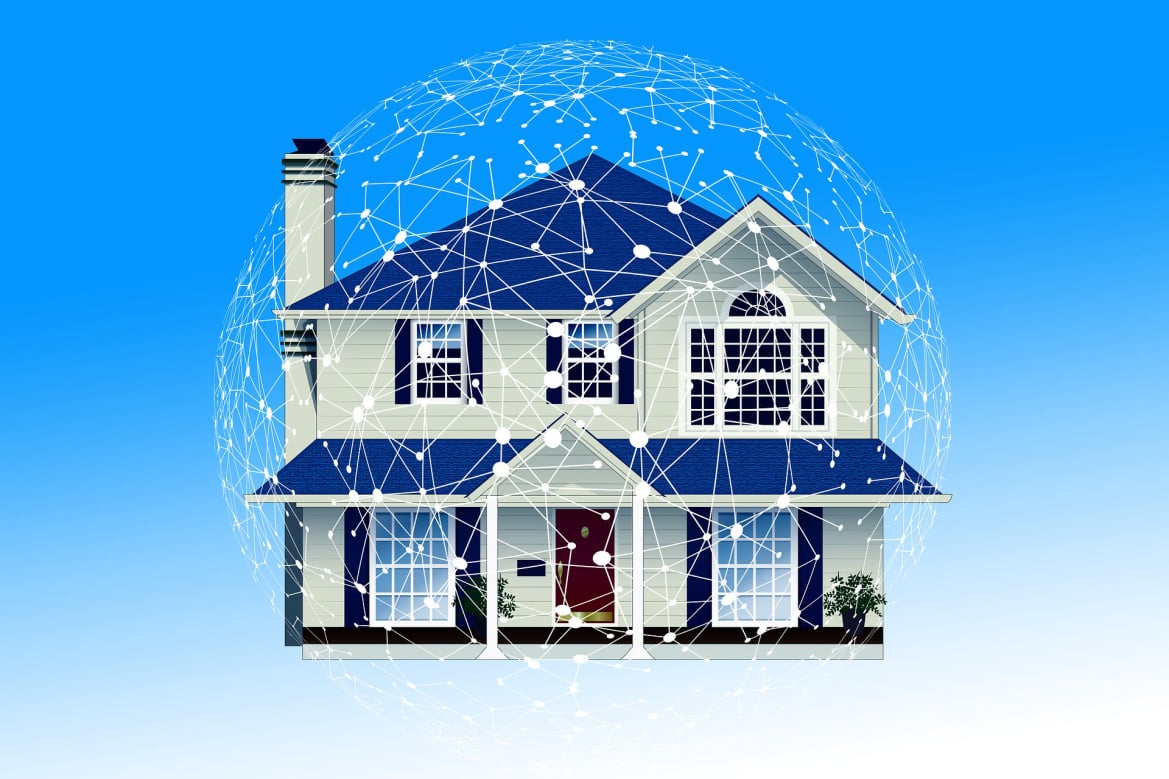
Do smart homes make life easier or more difficult?
Smart homes promise a future of comfort and efficiency, but do they truly live up to the hype? Like many technological advancements, the answer is somewhat unclear. On the one hand, smart homes offer undeniable benefits. Automating tasks like turning lights on and off, adjusting the thermostat, or even brewing coffee can save time and energy. The ability to control devices remotely via a smartphone adds incredible flexibility. Furthermore, smart security systems can enhance home protection, and energy-saving devices help reduce costs and environmental impact.
However, smart homes also come with challenges. The dependence on technology can lead to frustration when devices malfunction or internet connections are disrupted. Setting up and maintaining smart systems can also feel daunting to some users. There are also concerns regarding the privacy and security of data collected by these devices.
Ultimately, whether or not to adopt a smart home is a personal decision. For those who appreciate convenience, efficiency, and are comfortable with technology, smart homes can simplify life. For others who prefer simplicity, privacy, or feel uneasy about technology, smart homes may prove harder to navigate.